A brain tumour diagnosis can feel overwhelming, but patients do not have to navigate the process alone. Accurate diagnosis, careful treatment planning and coordinated support can help patients and their families understand the condition and make informed decisions about care.
At Melna Oncology Centre, Dr Thandeka Buthelezi-Zulu provides personalised oncology care to patients in Newcastle, KwaZulu-Natal, and surrounding communities. Where clinically appropriate, this includes systemic cancer therapy, ongoing assessment and coordination with the other specialists involved in brain-tumour care.
What Is a Brain Tumour?
A brain tumour is an abnormal growth of cells within the brain or nearby structures. Brain tumours may be benign (non-cancerous) or malignant (cancerous).
Even a benign tumour can cause serious health problems if it grows or presses against areas of the brain responsible for movement, speech, vision, memory or other essential functions. Every suspected brain tumour therefore requires appropriate medical assessment.
Brain tumours are broadly divided into two categories:
Primary Brain Tumours
Primary brain tumours begin in the brain or surrounding tissues. Examples include gliomas, meningiomas and pituitary tumours. There are many different subtypes, and their behaviour can vary considerably.
Some grow slowly and may be monitored, while others are more aggressive and require prompt treatment.
Secondary or Metastatic Brain Tumours
Secondary brain tumours occur when cancer that began elsewhere in the body spreads to the brain. These are also known as brain metastases.
Cancers of the lung, breast and other organs may spread to the brain. Treatment generally considers both the tumours in the brain and the original cancer elsewhere in the body.
Possible Symptoms of a Brain Tumour
Symptoms depend on the tumour’s size, location and rate of growth. They can also be caused by many conditions other than a brain tumour.
Possible symptoms include:
- New or persistent headaches
- Seizures
- Frequent nausea or vomiting
- Difficulty with balance, coordination or walking
- Changes in vision, hearing or speech
- Weakness or numbness affecting part of the body
- Changes in memory, concentration or personality
- Unusual drowsiness or changes in normal activity
A person experiencing a first seizure, sudden weakness, difficulty speaking, loss of consciousness or other severe neurological symptoms should receive urgent medical attention.
Persistent or worsening symptoms should also be assessed by a healthcare professional. Symptoms alone cannot confirm a brain tumour, and further investigation is necessary.
How Are Brain Tumours Diagnosed?
Diagnosis usually begins with a detailed medical history, physical examination and neurological assessment.
Depending on the findings, investigations may include:
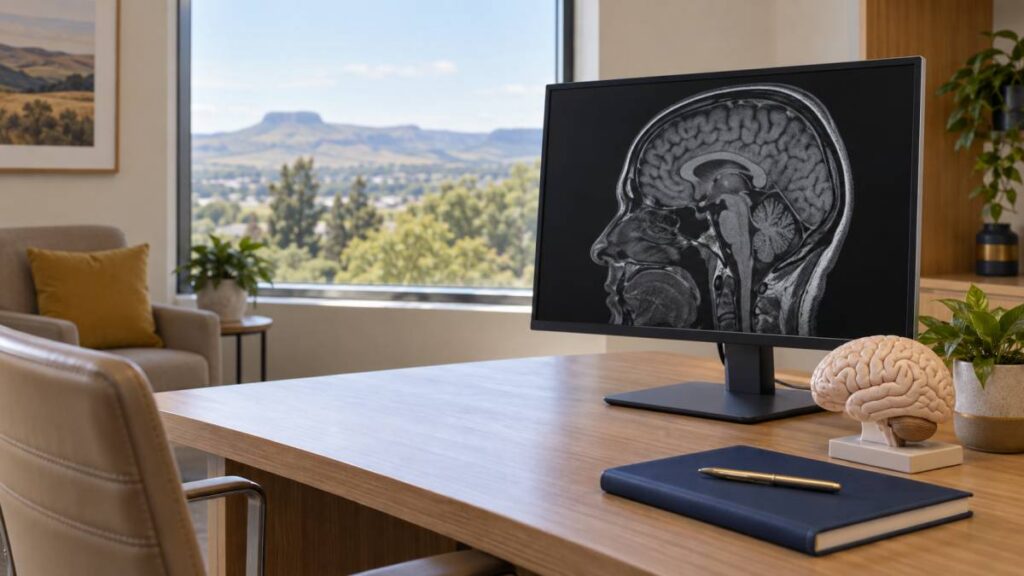
- MRI or CT imaging of the brain
- Blood tests or additional scans
- A biopsy or surgical removal of tissue
- Laboratory and molecular testing of tumour tissue
Tissue testing can help determine the tumour’s exact type, grade and biological characteristics. This information is important because tumours that appear similar on a scan may respond differently to treatment.
Personalised Brain-Tumour Treatment
There is no single treatment plan suitable for every brain tumour. Recommendations depend on factors such as:
- Whether the tumour is primary or metastatic
- Its type, grade and molecular characteristics
- Its size and location
- The number of tumours present
- Whether it can be safely removed
- The patient’s symptoms and overall health
- Any cancer present elsewhere in the body
Brain-tumour care commonly involves a multidisciplinary team. Depending on the individual case, this may include an oncologist, neurosurgeon, radiation oncologist, radiologist, pathologist, neurologist and rehabilitation professionals.
Treatment options may include the following:
Active Surveillance
Some slow-growing tumours that are not causing symptoms may be monitored with regular examinations and imaging instead of being treated immediately.
Surgery
A neurosurgeon may remove as much of the tumour as can be safely taken out while protecting healthy brain tissue and important neurological functions.
Surgery may also provide the tissue needed to confirm the diagnosis and guide further treatment.
Radiotherapy
Radiotherapy uses carefully targeted high-energy radiation to destroy tumour cells or prevent them from growing. Different radiotherapy techniques may be considered depending on the tumour’s type, location and size.
Chemotherapy
Chemotherapy may be used for certain primary brain tumours or cancers that have spread to the brain. The choice of medication depends on the tumour type and its response to available treatments.
Targeted Therapy
Targeted therapies act on specific molecular features that help certain cancers grow. These medicines are only appropriate when testing shows that the tumour has a suitable biological target.
Immunotherapy
Immunotherapy helps the immune system recognise and attack cancer cells. It may be considered for selected metastatic cancers and particular tumour profiles, but it is not suitable for every brain tumour.
Supportive and Rehabilitative Care
Supportive care is an important part of treatment. It may include medication to reduce swelling, control seizures or relieve other symptoms.
Physiotherapy, occupational therapy, speech therapy, nutritional support, pain management and psychological care may also help patients maintain function and quality of life.
Coordinated Care at Melna Oncology Centre
Melna Oncology Centre offers specialist oncology assessment, systemic cancer treatment where appropriate and ongoing support throughout the patient’s care journey.
Dr Thandeka Buthelezi-Zulu works with each patient to explain the diagnosis, discuss suitable treatment options and coordinate care with the relevant specialists when additional services such as neurosurgery or radiotherapy are required.
If you or a loved one has been diagnosed with a brain tumour, has cancer that may have spread to the brain, or requires an oncology opinion, contact Melna Oncology Centre in Newcastle to request a consultation.
This article provides general educational information and does not replace an individual medical assessment or personalised treatment advice.
Sources and further reading:National Cancer Institute – Adult Central Nervous System Tumours and CANSA – Brain and Central Nervous System Cancer.
This article offers general information. It cannot replace advice based on your own health and circumstances. Please discuss symptoms, test results and treatment decisions with a qualified healthcare professional.
We're here to help
Speak with our team
If you would like to discuss an appointment, contact Melna Oncology Centre in Newcastle.