Cancer is a complex group of diseases influenced by many factors, including age, genetics, infections, environmental exposures and lifestyle. There is no single food, supplement or daily habit that can guarantee cancer prevention—and a cancer diagnosis should never be viewed as someone’s fault.
However, evidence shows that healthy everyday choices can help reduce the risk of several cancers while supporting overall physical and emotional wellbeing. The goal is not perfection, but sustainable changes that can be maintained over time.
Build a Balanced, Nourishing Diet
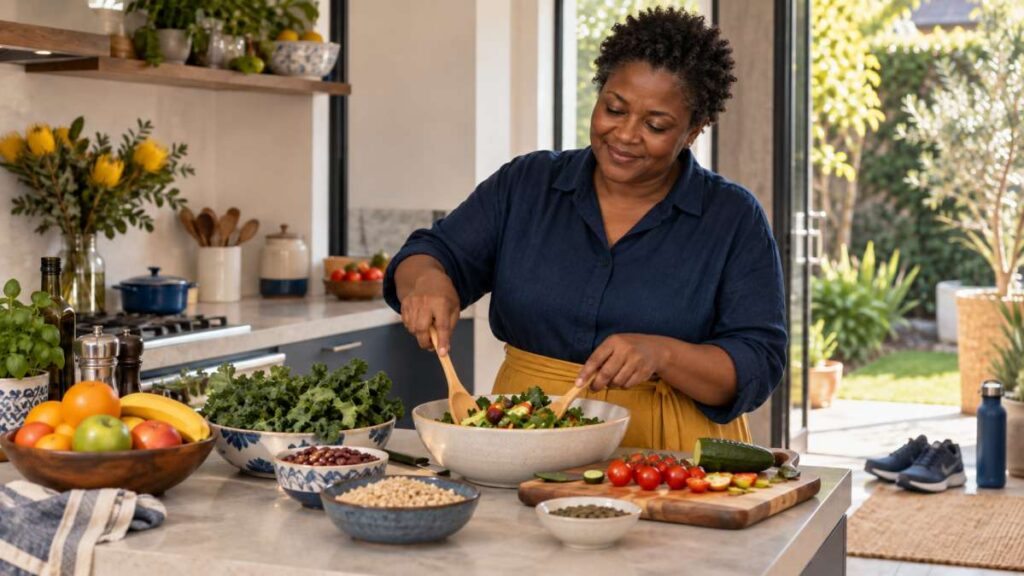
A healthy eating pattern should focus primarily on nutritious, minimally processed foods. Try to include a variety of:
- Vegetables and fruit
- Beans, lentils and other pulses
- Wholegrains
- Nuts and seeds
- Appropriate sources of protein
The World Cancer Research Fund recommends making wholegrains, vegetables, fruit and beans a major part of the daily diet. It also recommends limiting highly processed foods, sugar-sweetened drinks, red meat and processed meats.
No individual “superfood” can prevent or cure cancer. The overall pattern of your diet matters far more than any single ingredient.
Supplements should also not be used for cancer prevention unless recommended by a qualified healthcare professional. Some vitamins, minerals and herbal products can interfere with medication or cancer treatment.
Stay Physically Active
Regular physical activity can help with weight management, cardiovascular health, strength, mobility and emotional wellbeing. It is also associated with a reduced risk of certain cancers.
Adults should generally aim for at least 150 minutes of moderate-intensity physical activity each week. This may include brisk walking, cycling, swimming, gardening or other activities that raise the heart rate. Strengthening activities can also be included twice a week where appropriate.
If you are currently inactive, begin slowly. Even shorter periods of movement are worthwhile and can gradually be increased as your fitness improves.
People living with cancer, recovering from surgery or undergoing treatment should first discuss suitable activity levels with their healthcare team.
Avoid Tobacco
Tobacco remains one of the largest preventable causes of cancer. Smoking is strongly associated with lung cancer, but it can also increase the risk of cancers affecting the mouth, throat, oesophagus, bladder, kidneys, pancreas and several other organs.
Stopping smoking is beneficial at any age. Health risks begin to decrease after quitting, even for people who have smoked for many years.
It is also important to avoid second-hand smoke wherever possible.
Limit or Avoid Alcohol
Alcohol is linked to several cancers, including cancers of the mouth, throat, oesophagus, liver, bowel and breast.
The cancer risk generally increases as alcohol consumption increases. Current evidence does not identify a completely risk-free level of alcohol consumption in relation to cancer. For cancer prevention, avoiding alcohol is the safest option. If you do drink, consuming less is better.
Smoking and drinking alcohol together can increase the risk of certain cancers even further.
Work Towards a Healthy Weight
Carrying excess body weight is associated with an increased risk of several cancers, including colorectal, postmenopausal breast, endometrial, kidney, pancreatic and oesophageal cancers.
Body weight is affected by many biological, medical, environmental and social factors. The focus should therefore be on sustainable habits rather than extreme diets or rapid weight-loss programmes.
Balanced meals, regular physical activity, adequate sleep and professional support can all contribute to healthier long-term weight management.
Protect Your Skin from the Sun
South Africa experiences high levels of ultraviolet radiation, making sun protection important throughout the year.
To help reduce skin-cancer risk:
- Use a broad-spectrum SPF 30 or SPF 50 sunscreen.
- Apply sunscreen before going outdoors and reapply it every two hours, particularly after swimming or sweating.
- Wear protective clothing, sunglasses and a wide-brimmed hat.
- Seek shade and avoid unnecessary exposure during peak UV hours.
- Avoid tanning beds.
People of every skin tone can develop skin cancer. Any new or changing mole, unusual mark or skin lesion that does not heal should be assessed by a healthcare professional.
Nutrition During Cancer Treatment Is Different
General cancer-prevention advice may not always be suitable for someone undergoing cancer treatment.
Treatment can affect appetite, taste, digestion, body weight and the ability to eat certain foods. Some patients may need additional protein and calories, while others may require a specialised eating plan to manage particular symptoms or treatment side effects.
Before making major dietary changes or using supplements during treatment, speak to your oncologist or a registered dietitian familiar with oncology care.
Focus on Progress, Not Perfection
Healthy living does not require changing everything at once. A daily walk, an extra portion of vegetables, reducing alcohol, protecting your skin or seeking support to stop smoking can all be meaningful steps.
These choices cannot eliminate every cancer risk, but together they can support your overall health and help reduce the likelihood of several preventable cancers.
If you have questions about cancer risk, diagnosis or treatment, contact Melna Oncology Centre to request a consultation. Individual guidance should always be based on your health, medical history and treatment needs.
This article is intended for general educational purposes and does not replace personalised medical advice.
Sources and further reading:World Health Organization – Cancer Prevention, World Cancer Research Fund – Cancer Prevention Recommendations, and CANSA – SunSmart Guidance.
This article offers general information. It cannot replace advice based on your own health and circumstances. Please discuss symptoms, test results and treatment decisions with a qualified healthcare professional.
We're here to help
Speak with our team
If you would like to discuss an appointment, contact Melna Oncology Centre in Newcastle.